Your Cart is Empty


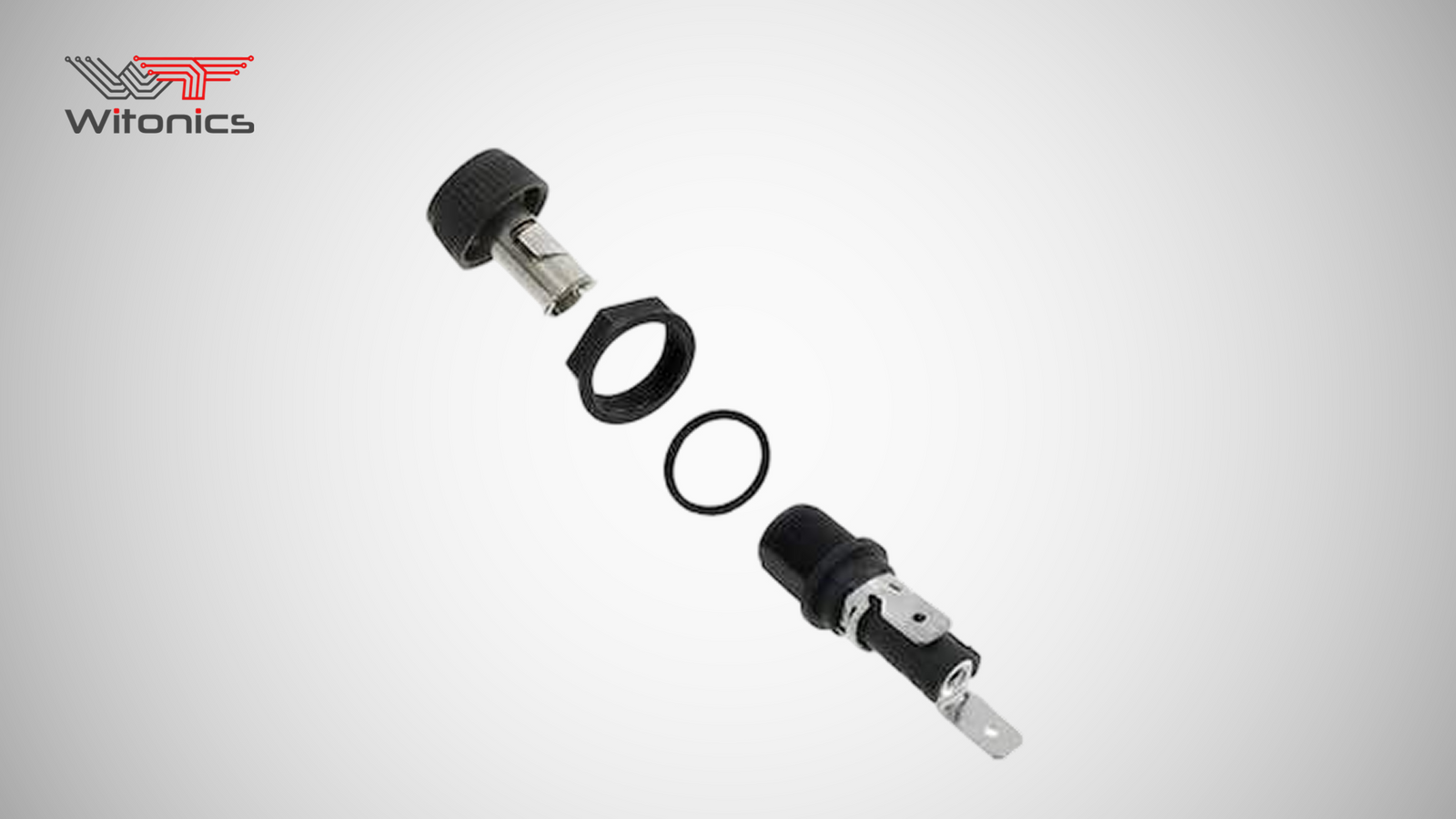

You replaced the fuse. It blew again. You replaced it again. Same result.
At this point the fuse isn't the problem, the holder is. A worn or corroded fuse holder creates resistance every time current passes through it. That resistance builds heat. That heat kills fuses. It doesn't matter how many new ones you put in, until the holder is fixed, nothing changes.
Here's how to tell if yours is done.
Sign 1: Green or White Powder Inside the Holder
Open the holder and look inside. Green or white powder is corrosion, and it's sitting directly on the electrical contact, blocking current flow every time you run power through it.
The fuse looks fine. The connection underneath it isn't. That's why it keeps failing.
Sign 2: Burn Marks or Melted Plastic Near the Terminals
Burn marks mean heat has been building at that connection point for a while. Melted plastic means it got worse.
At this stage cleaning won't help, the contact surface is already damaged. The holder needs to be replaced, full stop.
Sign 3: The Fuse Doesn't Click In Firmly
Push a new fuse in. Does it click in with firm resistance or slide in loosely?
A healthy holder grips the fuse with solid spring tension. When that tension is gone, contact becomes weak. Weak contact creates resistance, resistance creates heat, and heat blows fuses, sometimes within seconds of installation.
Sign 4: Yellowed or Discolored Metal Contacts

Pull the fuse out and look at the metal contacts inside. Clean contacts look bright and metallic. Yellowed or darkened contacts mean heat damage has already affected conductivity.
Confirm it with a multimeter, set it to resistance mode and touch the probes to each terminal. A good holder reads close to 0 ohms. Anything above 1–2 ohms means resistance is building up every time current runs through it. Littelfuse and Bussmann, two of the most common fuse holder brands in US vehicles, recommend replacing any holder reading above 1 ohm under load.
Sign 5: New Fuses Blow Immediately After Installation
A fuse that blows once is protecting the circuit, that's its job. A fuse that blows within seconds of being installed is being destroyed by the holder itself.
If you've replaced the same fuse more than twice and it keeps blowing, stop buying fuses. The holder is done.
Clean It or Replace It?

Clean it if the corrosion is surface-level, the plastic casing is fully intact, and the fuse still fits firmly. Use electrical contact cleaner, available at AutoZone or O'Reilly for around $8–$12, and a cotton swab. Let it dry fully before reinstalling.
Replace it if there are burn marks, melted plastic, a loose fuse fit, or it fails a continuity test on your multimeter.
Fuse holders at Witonics cost a few dollars and swap out in minutes. If you're running multiple accessories or a car audio build, a fuse block from Witonics is a cleaner long-term solution, one organized setup that protects every circuit instead of relying on individual holders.
FAQ
Why does my fuse keep blowing after I replace it?
The fuse holder is almost always the cause. Corrosion, loose spring tension, or burnt contacts create resistance that generates heat and burns through new fuses fast. Fix the holder and the problem stops.
Will a bad fuse holder damage my car's wiring?
Yes. Heat from a damaged holder spreads into surrounding wiring over time. If wiring near the holder feels warm to the touch, replace it before the damage gets bigger.
What's the difference between a glass and blade fuse holder?
Glass tube holders use cylindrical fuses with metal caps, common in older US vehicles. Blade fuse holders use flat plastic-bodied fuses, standard in most US cars made after 1990. They're not interchangeable, so always match the fuse type to the correct holder.
Stop replacing the fuse and start looking at what's holding it. Check these 5 signs first, in most cases, that's where the real fix is.