Your Cart is Empty


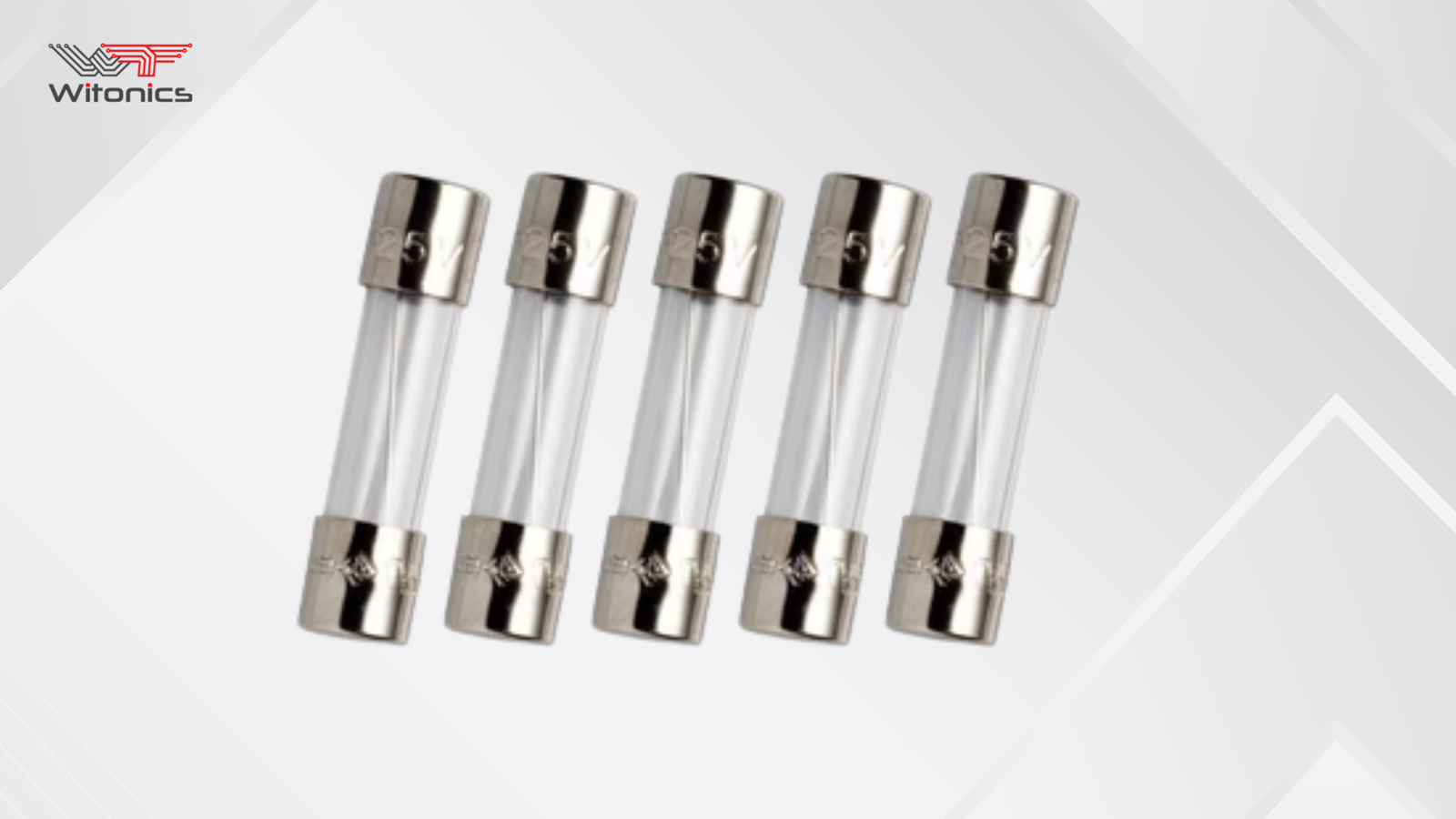

When designing or repairing electronic circuits, selecting the right fuse is critical to ensure safety and prevent component damage. Among the most commonly used types are glass fuses, also known as cartridge fuses. These fuses act as protective devices that interrupt the electrical flow when excessive current passes through, safeguarding sensitive components from overcurrent conditions. Choosing the right fuse type, especially between fast-acting and slow blow fuses, can make a significant difference in circuit reliability. Glass cartridge fuses are transparent, allowing for easy inspection, and are available in various voltage and current ratings to suit a wide range of electronic applications.
Before selecting one, it’s essential to understand key parameters such as current rating (the maximum current the fuse can carry without blowing), voltage rating (the maximum voltage it can safely interrupt), and the fuse’s blow characteristics (how quickly it responds to overload). Whether you’re protecting a small circuit board, power supply, or household appliance, selecting the correct cartridge fuse ensures both safety and performance. If you’re looking for reliable and durable automotive fuses,Witonics offers high-quality options that are perfect for both car and electronic applications. Let’s explore how to make the right choice for your specific electronic project.
In any electrical or electronic circuit, a fuse serves as the first line of defense against damage caused by overcurrent or short circuits. When the current flowing through a circuit exceeds the rated value, the fuse element melts, interrupting the flow and preventing overheating or potential fire hazards. This simple yet vital function protects delicate components and ensures overall circuit safety.
Glass fuses, also referred to as cartridge fuses, are among the most widely used types in electronics. They differ from ceramic or plastic fuses primarily in their construction and visibility. While ceramic fuses are better suited for high-voltage or high-temperature environments due to their opaque and heat-resistant body, glass fuses provide a clear advantage for general-purpose use: transparency.
The transparent glass housing allows users and technicians to quickly inspect whether the fuse has blown without needing specialized tools. This makes maintenance and troubleshooting more efficient. Furthermore, glass cartridge fuses come in both fast-acting and slow blow fuses variants, giving users flexibility based on circuit needs, whether they require immediate disconnection for sensitive electronics or delayed response for devices with brief power surges.
Glass fuses come in different response types to suit various circuit needs. The two most common are fast-blow and slow-blow fuses, each designed for specific applications depending on how the circuit handles current surges.
Used in circuits that cannot tolerate even short bursts of excessive current, fast-blow fuses react almost instantly to overcurrent conditions. They are ideal for sensitive electronics such as measuring instruments, precision devices, and low-voltage control systems. These fuses ensure that delicate components are protected before any damage occurs.
Also known as time-delay fuses, slow-blow fuses are designed to withstand short-duration current spikes without blowing immediately. This makes them perfect for motors, transformers, or power supplies, where a brief inrush of current is common during startup. By allowing a short delay, slow blow fuses prevent unnecessary interruptions while still providing reliable protection against sustained overloads.
Both fast and slow types are commonly available in cartridge fuse formats, featuring a cylindrical glass body with metal end caps. This design ensures compatibility with a wide range of consumer and professional electronics, from home appliances and amplifiers to lab instruments and industrial controllers. The transparency of glass fuses also simplifies inspection, helping users quickly identify and replace blown fuses for safe and efficient operation.
When choosing the right glass fuses for your electronic project, it’s crucial to evaluate several parameters that directly affect safety and performance. Here are the key factors every designer or technician should keep in mind when selecting cartridge fuses, including both fast-acting and slow blow fuses.

The voltage rating of a fuse indicates the maximum circuit voltage it can safely interrupt without arcing or failing. Always choose a fuse with a voltage rating equal to or greater than your circuit’s operating voltage. For example, a 250V-rated glass fuse can be safely used in a 120V AC circuit, but not vice versa. Using an underrated fuse may lead to insulation failure or unsafe circuit conditions.
The current rating represents the maximum continuous current the fuse can handle without blowing. To determine this, consider your device’s power consumption. A practical rule of thumb is to select a fuse rated at approximately 125% of the normal operating current. For instance, if your circuit typically draws 2A, a 2.5A cartridge fuse provides sufficient protection while minimizing nuisance tripping.
The breaking capacity, also known as the interrupting rating, defines how much fault current the fuse can safely interrupt without exploding or sustaining damage. Low-breaking-capacity fuses are suitable for small electronic devices with minimal fault currents, while high-breaking-capacity fuses are required in industrial or power supply systems where fault currents can be substantial. Choosing the correct breaking capacity ensures that your glass fuse can handle extreme conditions safely.
Physical fit is another critical factor. Common cartridge fuse sizes include 5x20mm, 6x30mm, and other variations depending on the application. Always verify that the fuse matches your holder’s size and terminal design. A poor fit may cause loose connections, heat buildup, or inconsistent circuit protection.
Environmental factors like temperature, humidity, and vibration also affect fuse performance. Glass fuses generally perform best in moderate, stable environments, offering reliable protection for most electronic applications. However, in high-vibration settings such as automotive or industrial machinery, slow blow fuses with reinforced or ceramic designs may offer better durability.
By considering these factors, voltage, current, breaking capacity, size, and environment, you can ensure that your glass cartridge fuses provide optimal protection and longevity for your electronic systems.

Understanding fuse markings is essential for selecting and replacing the right component in electronic circuits. Everyglass fuse or cartridge fuse carries markings that indicate its electrical and physical characteristics. Reading these correctly ensures you maintain proper protection and avoid mismatches that could harm your equipment.
Most glass fuses are marked with three main pieces of information: current rating, voltage rating, and time-delay type. For example, a fuse labeled T2A 250V indicates a time-delay (slow blow fuse) rated for 2 amps and 250 volts. The “T” denotes a slow blow fuse, while an “F” represents a fast-acting fuse.
In addition to ratings, fuses often include a manufacturer code or approval symbol from safety agencies such as UL or CE, verifying that the product meets industry standards. Some cartridge fuses also include additional codes indicating breaking capacity or performance class.
Quick Guide to Fuse Markings:
T = Time-delay or slow blow fuse
F= Fast-acting fuse
A= Current rating (in amps)
V= Voltage rating
Manufacturer Code = Identifies brand or certification
By decoding these markings, you can confidently replace or select glass cartridge fuses that meet your circuit’s exact specifications, ensuring consistent performance and reliable overcurrent protection.
Even experienced technicians can make errors when selecting glass fuses or cartridge fuses. To ensure your electronics are properly protected, avoid these common pitfalls:
Using underrated voltage or current fuses: A fuse with too low a rating can blow unnecessarily, disrupting normal operation. Always match or slightly exceed your circuit’s voltage and current requirements.
Mixing fast-blow and slow-blow fuses: Installing a slow blow fuse where a fast-acting fuse is required can lead to circuit damage before the fuse reacts. Conversely, using a fast fuse in a motor circuit may cause frequent nuisance trips.
Ignoring breaking capacity: Failing to consider breaking capacity can be dangerous, especially in high-load circuits where fault currents are substantial.
Replacing without diagnosing the cause:Always identify why the original fuse blew, overloads, shorts, or faulty components, before inserting a new one.
By avoiding these mistakes, you’ll maintain both safety and equipment performance in any electrical system.
When a circuit stops working, a glass fuse is often the first component to check. The transparent design makes it easy to perform a quick visual inspection, if the internal filament is broken or the glass appears blackened, the fuse is blown.
Before testing or replacing, always turn off the power and unplug the device. For a more accurate check, use a multimeter in continuity mode. Place the probes on both metal ends of the fuse, if the meter reads zero or near zero ohms, the fuse is intact; if it shows infinite resistance, the fuse is blown.
Quick Replacement Guide:
Power off the circuit completely.
Remove the blown cartridge fuse carefully using insulated tools.
Verify voltage and current ratings on the replacement fuse.
Insert the new glass fuse securely in the holder.
Restore power and test operation.
Following these steps ensures a safe and effective replacement process without risking shock or damage.

Both glass fuses and ceramic fuses serve the same purpose, protecting circuits from overcurrent, but they differ in construction and performance.
Glass fuses are transparent, making it easy to visually confirm if the fuse has blown. They’re ideal for moderate environments and standard electronic devices where heat and fault currents are relatively low.
Ceramic fuses, on the other hand, are designed for higher-temperature and high-current applications. Their opaque body can withstand greater stress and prevent explosion under fault conditions.
If your circuit involves high power, motors, or industrial systems, ceramic fuses are usually better. But for most consumer electronics, glass cartridge fuses, available in both slow blow and fast-acting types, offer a cost-effective and easy-to-inspect option. Ultimately, the right choice depends on the environment and current load of your specific application.
1. What happens if I use the wrong fuse rating?
Using a fuse with too low a rating will cause frequent blowouts, while an over-rated fuse might fail to protect the circuit, risking component damage or fire.
2. Are slow-blow fuses interchangeable with fast-blow fuses?
No. Slow blow fuses are designed for circuits with temporary surges, while fast-acting fuses protect sensitive electronics. Always replace with the same type as originally installed.
3. How often should I replace fuses in electronics?
Glass fuses do not wear out under normal conditions, they only need replacement when blown. However, if your fuse blows repeatedly, inspect the circuit for underlying faults.
4. Can I use a higher-rated fuse for extra protection?
No. A higher-rated cartridge fuse will delay or prevent the circuit from disconnecting during an overload, which could lead to overheating or damage. Always follow the manufacturer’s recommended ratings for safe operation.
Selecting the right glass cartridge fuse is more than a technical step, it’s a safeguard for your entire electronic system. The correct fuse type and rating ensure that your devices operate safely, efficiently, and without unnecessary interruptions. By understanding voltage, current, breaking capacity, and environmental factors, you can make informed choices between fast-acting and slow blow fuses to meet your circuit’s unique demands. Accuracy in fuse selection isn’t just about preventing failures; it’s about ensuring long-term reliability and performance.
For added assurance, Witonics provides tested and verified auto fuses that deliver both performance and safety, making them a trusted choice for anyone looking to protect their electrical and automotive systems.