Your Cart is Empty


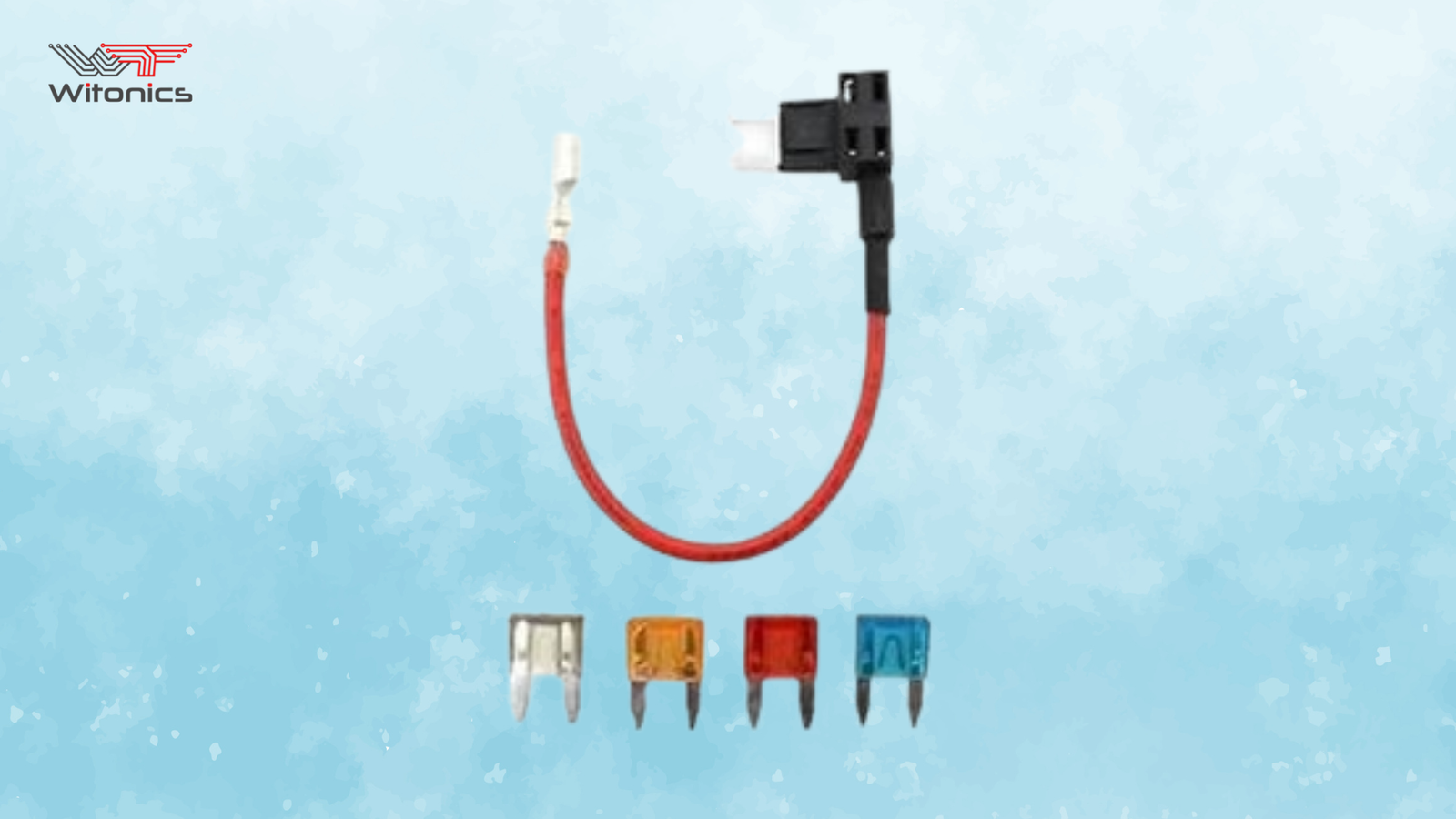

A fuse tap, also known as an add-a-fuse, is an essential tool for car owners, electricians, and anyone looking to expand their vehicle’s electrical system safely. This small yet powerful device allows you to add new electrical accessories, like dash cams, auxiliary lights, GPS units, or radar detectors, without cutting, splicing, or modifying your car’s existing wiring. By using a fuse tap, you can create a new circuit while keeping the original circuits fully protected.
One of the key advantages of a fuse tap is that it safeguards both the original and the new circuits. When installed correctly, it prevents overloads and potential damage to sensitive electronics, emphasizing safety, reliability, and precision. This is particularly important when connecting high-demand accessories that could otherwise strain your car’s electrical system.
To ensure proper protection and durability, using quality fuses is crucial. Options such as automotive fuses, blade fuses,mini blade fuses, and mini fuses are widely used with fuse taps. For those installing multiple accessories or maintaining a stock of spares, bulk automotive fuses can be a convenient and cost-effective choice. You can find all these reliable fuses at trusted electronics stores like Witonics, ensuring your vehicle’s electrical upgrades are both safe and long-lasting.
A fuse tap, also known as an add-a-fuse, is a small but highly practical adapter that plugs directly into an existing fuse slot in your vehicle’s fuse box. Its main purpose is to provide an additional circuit for new electrical accessories, like dash cams, LED lights, GPS devices, or radar detectors, without cutting, splicing, or otherwise modifying the car’s original wiring. This makes it a safe and efficient way to expand your vehicle’s electrical system.
A typical fuse tap consists of three key components:
Main Slot:This is where the original fuse is inserted. It continues to protect the vehicle’s existing circuit exactly as before.
Secondary Slot: This slot holds a new fuse, which protects the accessory or additional device you’re adding.
Wire Lead:A short wire extends from the tap, allowing you to connect the new accessory without interfering with the original wiring.
This setup allows the fuse tap to draw power from an existing fuse safely, without overloading the circuit or risking damage to the vehicle’s electronics. By using a separate fuse for the accessory, both circuits remain fully protected, ensuring longevity and safety.
Fuse taps are available in different sizes to match the most common automotive fuses and blade fuses used in modern vehicles:
Standard Fuse Tap:Compatible with regular-sized blade fuses, typically used in older or larger vehicles.
Mini Fuse Tap: Designed for mini blade fuses or mini fuses, which are smaller and more common in newer vehicles.
Micro Fuse Tap:Fits very small micro blade fuses, ideal for compact cars or specialized circuits.
For those who frequently install multiple accessories or perform vehicle modifications, keeping a supply of bulk automotive fuses, including standard, mini, and micro blade fuses, can be very convenient. Trusted electronics stores like Witonics offer a wide selection of these fuses to ensure your vehicle upgrades are safe, reliable, and hassle-free.
When it comes to adding new electrical accessories to your vehicle, using a fuse tap instead of direct wiring offers several key advantages, especially in terms of safety, convenience, compatibility, and precision.
One of the biggest risks of direct wiring is cutting or splicing the vehicle’s factory wiring, which can lead to short circuits, blown fuses, or even damage to sensitive electronics. A fuse tap eliminates these risks by drawing power safely from an existing fuse, ensuring both the original circuit and the new accessory circuit are protected. By pairing it with the correct automotive fuses, blade fuses, mini blade fuses, or mini fuses, you maintain optimal protection without compromising your vehicle’s electrical system.
Unlike hardwiring, a fuse tap provides a non-permanent solution. If you ever need to remove the accessory, the modification is easily reversible, leaving your car’s wiring untouched. This convenience is ideal for leased vehicles or when testing temporary setups.
Fuse taps are designed to work seamlessly with the automotive blade fuses and mini fuses found in most modern vehicles. This means you can safely connect a wide range of accessories, from dash cams and GPS devices to LED lighting, without worrying about compatibility issues.
Using a fuse tap ensures both circuits remain fully protected. The original fuse continues to safeguard the vehicle’s factory circuit, while the fuse in the tap protects the new accessory. This precision makes it a superior choice compared to direct wiring, where improper fuse sizing or installation can lead to electrical failures.
For those looking to install multiple accessories or keep a supply on hand, purchasing bulk automotive fuses, including standard and mini blade fuses, is a smart investment. Trusted stores like Witonics offer high-quality fuses to ensure your installations are safe and reliable.

When adding new electrical accessories with a fuse tap, choosing the right automotive fuses is critical for ensuring safety and reliable operation. Fuses protect your vehicle’s wiring and electronics from overcurrent or short circuits, preventing damage to both the original and new circuits.
Standard Blade Fuses:Standard blade fuses are typically used in older or heavy-duty vehicles. They are larger in size, provide reliable protection for higher current circuits, and are easy to install in most traditional fuse boxes.
Mini Blade Fuses:Mini blade fuses are more compact and widely used in modern vehicles. They offer the same level of protection as standard fuses but take up less space, making them ideal for tight fuse box layouts.
Micro Blade Fuses:Micro blade fuses are even smaller and are designed for vehicles or circuits where space is extremely limited. Despite their tiny size, they provide effective protection for low-current accessories and electronics.
For garages, electricians, or DIY enthusiasts who frequently work on multiple vehicles, keeping a supply ofbulk automotive fusescan save time and ensure you’re always ready for installations or replacements.
You can easily find the right fuse type and size for your car’s electrical setup from Witonics’ wide selection of automotive fuses, which includes standard blade fuses, mini blade fuses, mini fuses, and bulk options for professional use.
Adding a new electrical accessory with a fuse tap is straightforward if done carefully. Follow these steps to ensure a safe, reliable installation.
Start by locating your vehicle’s fuse box, which is usually found under the dashboard or under the hood. For most accessories, you’ll want a fuse slot that provides an ignition-on power source, so the device turns on and off with the vehicle.
To verify the correct fuse slot, consult your owner’s manual, which often lists fuse functions and amperages. Alternatively, you can use a test light or multimeter to confirm which circuits are live when the ignition is on. Choosing the right fuse slot is critical to avoid accidentally interfering with essential vehicle systems.
Use a fuse puller or a pair of needle-nose pliers to safely remove the original fuse from the chosen slot.
Important:Check that the fuse is not powering a critical safety system, such as ABS, airbags, or engine management circuits. Removing fuses from these systems can compromise vehicle safety or trigger warning lights.
Plug the fuse tap into the empty fuse slot.
Pay attention to orientation: the fuse tap has a “line” side (connected to the original circuit) and a “load” side (for the new accessory). Installing it in the correct direction ensures that both circuits are protected, preventing overcurrent damage.
Insert the original fuse back into the main circuit slot of the fuse tap. Then, insert a second fuse for the new accessory.
Choosing the correct amperage rating is essential:
5A - ideal for small electronics like dash cams
10A-15A - suitable for LED lights or other higher-draw accessories
You can find high-quality mini blade fuses, automotive blade fuses, and various amperage options for replacement or bulk use at Witonics, ensuring safe and reliable protection for all circuits.
Crimp or solder the accessory wire to the fuse tap’s lead wire, using proper connectors and insulation for safety.
Secure the wire neatly using cable ties or wire organizers to prevent strain, rubbing, or vibration damage. Keeping wires tidy not only improves safety but also ensures a professional-looking installation.
Turn on the ignition and verify that your accessory powers up as expected.
Check that the original circuit continues to function normally.
If the accessory does not work, troubleshoot the following:
Verify that the fuse tap is installed in the correct slot
Confirm the orientation of the tap
Check for blown fuses in either the original or accessory circuit
Once tested, your fuse tap installation is complete, and your vehicle is ready for additional accessories with full circuit protection.
Safety should always be your top priority when installing a fuse tap. Follow these guidelines to protect both your vehicle and accessories:
Disconnect the battery before installation to prevent accidental short circuits or shocks.
Never exceed the fuse rating recommended for your accessory, overrating a fuse can lead to damaged circuits or fire hazards.
Avoid stacking multiple accessories on a single fuse tap; each accessory should have its own protection.
Regularly inspect installed fuse taps for heat buildup, discoloration, or loose connections.
Use only quality blade fuses and mini fuses that meet safety standards, reinforcing long-term reliability and durability.
For reliable replacements or bulk options, stores like Witonics offer a wide selection of automotive fuses, mini blade fuses, and bulk automotive fuses.

Even small errors during fuse tap installation can lead to blown fuses, damaged circuits, or fire hazards. Avoid these common mistakes:
Using the wrong fuse size or amperage for your accessory.
Installing the fuse tap backward (confusing load vs. line side).
Ignoring fuse compatibility with your vehicle’s voltage system.
Neglecting proper grounding when connecting accessories.
Forgetting to test the circuit after installation.
Paying attention to these details ensures a safe and effective installation.
Fuse taps come in several types to match the fuse sizes in your vehicle’s fuse box:
Standard- fits full-sized blade fuses for older or heavy-duty vehicles.
Mini- compatible with mini blade fuses in most modern vehicles.
Low-Profile Mini - for tight spaces where standard mini fuses don’t fit.
Micro2 - very compact, used in some modern car circuits.
When selecting a fuse tap, match it with the fuse in your vehicle’s fuse box. Consider amperage ratings and wire gauge based on your accessory’s power draw (e.g., 5A for dash cams, 10A-15A for auxiliary lights).
Tip:When installing new car electronics, matching the right fuse tap and fuse type ensures lasting performance , you can explore compatible fuse options at Witonics.
To keep your fuse taps and circuits in top condition:
Inspect periodically for corrosion, discoloration from heat, or loose fits.
Keep spare fuses on hand, including mini blade fuses and automotive fuses, especially before long trips.
For frequent users or workshops, buying bulk automotive fuses saves time and ensures you always have the right replacement on hand.
Q: Can a fuse tap damage my car’s electrical system?
A: Only if installed incorrectly. When used properly, fuse taps are safe, reversible, and reliable.
Q: What size fuse should I use for my accessory?
A: Choose a fuse based on your accessory’s power draw. Always check the manufacturer’s guidelines.
Q: Can I use one fuse tap for multiple devices?
A: Not recommended. Each accessory should have its own circuit protection to prevent overloads.
Q: Are fuse taps compatible with all vehicles?
A: Most modern vehicles use mini or micro blade fuses. Always confirm your vehicle’s fuse type before installation.
Using afuse tap is a safe, efficient, and reversible way to add new electrical accessories to your vehicle. The key to success lies in clean, correct installation, ensuring that both the original and accessory circuits remain fully protected.
Understanding the different types of automotive fuses, blade fuses, and mini blade fuses is essential for maintaining safety, reliability, and long-term performance in modern vehicles. Selecting the right fuse andfuse tap for your car not only prevents electrical issues but also helps your accessories function properly without risk.
Installing a fuse tap is one of the simplest yet most effective ways to expand your car’s electrical system, when done right, it ensures both safety and long-term dependability.
For high-quality automotive fuses, mini blade fuses, and bulk automotive fuses, you can explore Witonics’ complete selection to keep your vehicle safe and fully equipped.