Your Cart is Empty


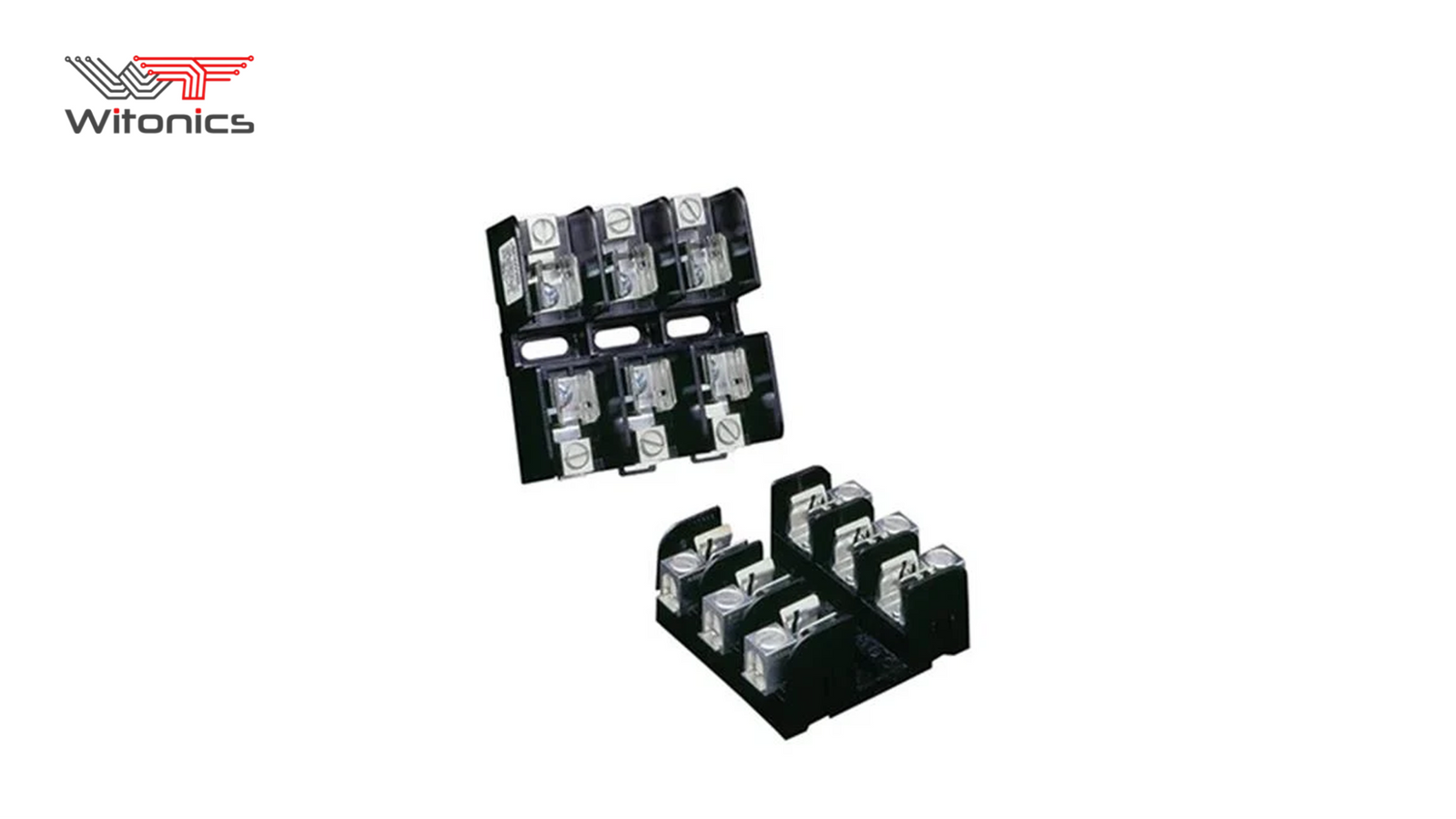

You bought the exact fuse your circuit calls for: the right amperage rating, the right response type, and the right physical size. You wire it in, and the circuit still won't work; it works for a week and then fails again with no clear cause. Most of the time, the fuse was never the problem. The fuse holder was.
Afuse holder isn't just a housing that keeps a fuse in place. It decides how much current the connection can safely handle, how well it resists vibration and moisture, and how easy the fuse is to replace the next time it blows.
Picking the wrong one is one of the most common, and most overlooked, mistakes in home, automotive, and DIY electronics projects. It's also one of the easiest to avoid once you know what each holder type is actually built for.
A fuse holder has three jobs: it grips thefuse firmly enough to maintain constant contact, it connects the fuse into the circuit without adding unnecessary resistance, and it protects that connection from heat, moisture, and vibration.
A loose or mismatched holder causes intermittent contact, and intermittent contact behaves exactly like a blown fuse; the circuit cuts out, restarts, or fails at random. That's why swapping fuses repeatedly without ever checking the holder rarely solves anything long-term.
|
Holder Type |
Fuse Style |
Best For |
|
Inline |
Ceramic, blade orglass fuse |
Single automotive/marine circuits |
|
Panel-mount |
Cartridge, ceramic |
Enclosures, industrial panels |
|
PCB-mount |
5x20mm cartridge |
Circuit boards, power supplies |
|
Blade |
ATO/ATC/Mini blade |
Car audio, accessory wiring |
|
Fuse block |
Blade or cartridge (multiple) |
Multi-circuit setups |

Start by matching the holder to the physical fuse style you're using; a holder built forcartridge fuses won't accept a blade fuse, and vice versa.
Next, think about the environment. Outdoor and automotive projects need sealed, weatherproof inline holders that keep moisture and road grime away from the contacts.
Indoor enclosures, on the other hand, usually call for a panel-mount design that's easy to access without exposing the whole circuit. Don't skip the holder's own amperage and voltage rating either; a holder rated below the fuse it contains can overheat even when the fuse itself is correctly sized, because the bottleneck has simply moved from the fuse to the holder.
And if you're powering multiple accessories from a single source, use a proper fuse block instead of daisy-chaining several separate inline holders, which gets messy and harder to troubleshoot later. For step-by-step wiring guidance, check out our guide on How to Use Accessory Fuse Blocks andBussmann Fuse Holders Safely.
Not all holders of the same type are equal. Cheaper holders often use thin, spring-loaded contacts that lose tension over time, especially in vibration-heavy environments like vehicles and boats.
Look for holders with brass or nickel-plated contacts, which resist corrosion and maintain a tighter grip on the fuse over the years.
A holder with a locking cap or threaded collar is also worth the small price difference, since it keeps the fuse seated even under constant vibration, rather than relying on friction alone.
The single most common issue is using a cheap, loosely fitted holder in a vibration-heavy environment. The fuse rides loose inside the holder, contact resistance climbs, heat builds at the connection point, and either the fuse blows prematurely or the holder itself starts to melt or discolor.
This is often mistaken for a bad fuse batch when the real fault is the housing around it. Holder material compatibility with your fuse type matters here too; if you're also deciding between fuse styles, ourGlass Fuse vs Ceramic Fuse guide covers that decision in detail.
A: An inline holder is spliced directly into a wire and usually sealed for outdoor use. A panel-mount holder sits through an enclosure wall so the fuse is accessible from outside without opening the unit.
A: Yes, as long as the voltage and amperage match your circuit. Blade holders are popular in DIY electronics because the fuses are cheap, compact, and widely available.
A: Loose or corroded contacts can be invisible to the eye. Check the holder's grip and connections before assuming the fuse itself is defective.
A: Anywhere from 2 to 12+ individually fused circuits, depending on the model, common in vehicles and boats running multiple accessories.
A: Yes. A holder's voltage rating must meet or exceed your circuit's voltage, just like the fuse itself, or it won't safely interrupt a fault.
When installing any fuse holder, always work with the circuit de-energized. Strip wires to the correct length so no bare copper is exposed once crimped or soldered, and use heat-shrink tubing over inline connections for extra protection against moisture.
Label each fuse position on a fuse block clearly; a mislabeled block turns a two-minute fix into a lengthy guessing game the next time something trips.
Choosing the right fuse holder is protection's often-invisible half. It's easy to focus entirely on the fuse and forget that the housing around it does just as much work.
Getting the holder right the first time means fewer repeat failures, less random troubleshooting, and a circuit that behaves the way it's supposed to.
Need the right holder for your build? Shop Fuse Holders atWitonics Now!